Fire
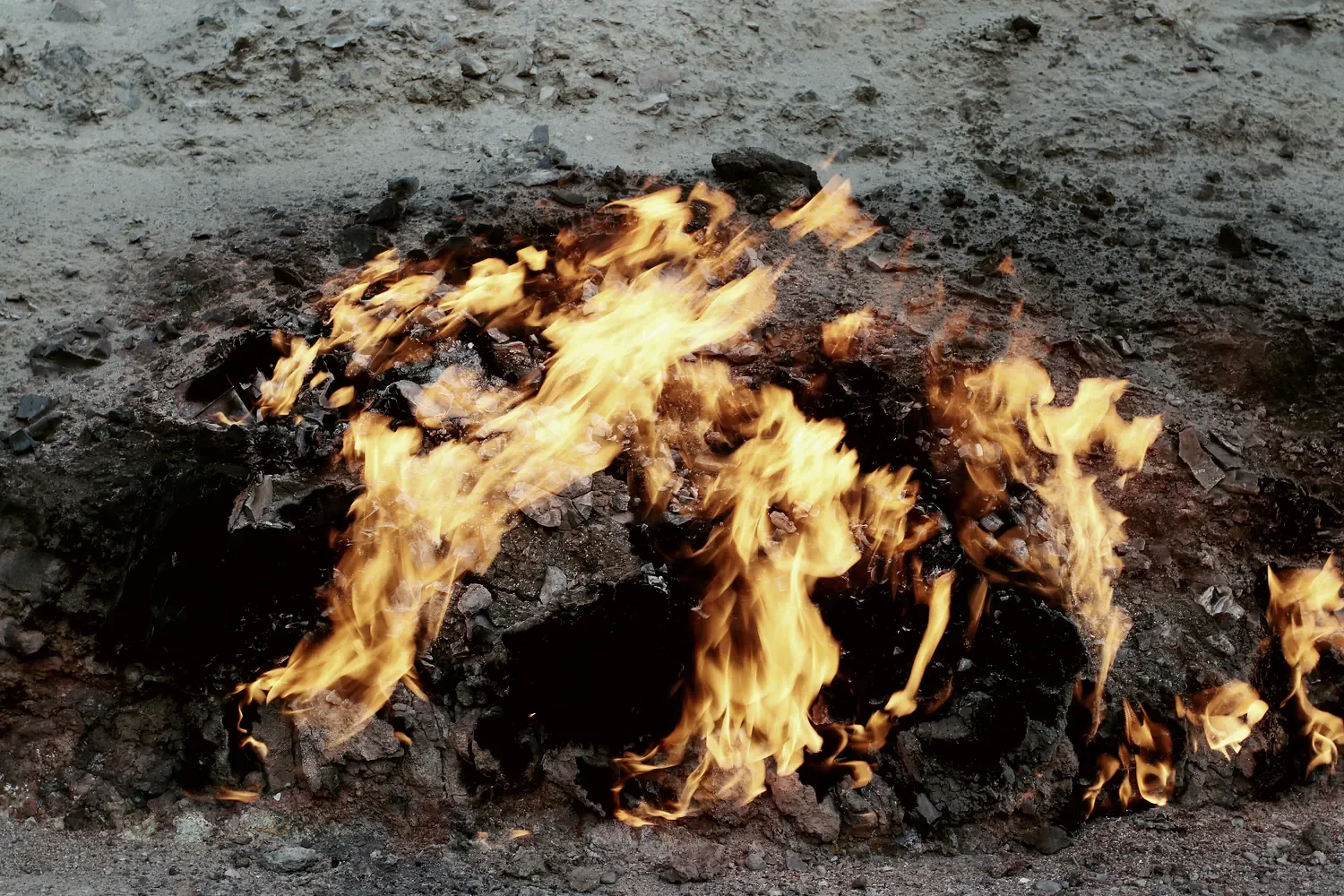
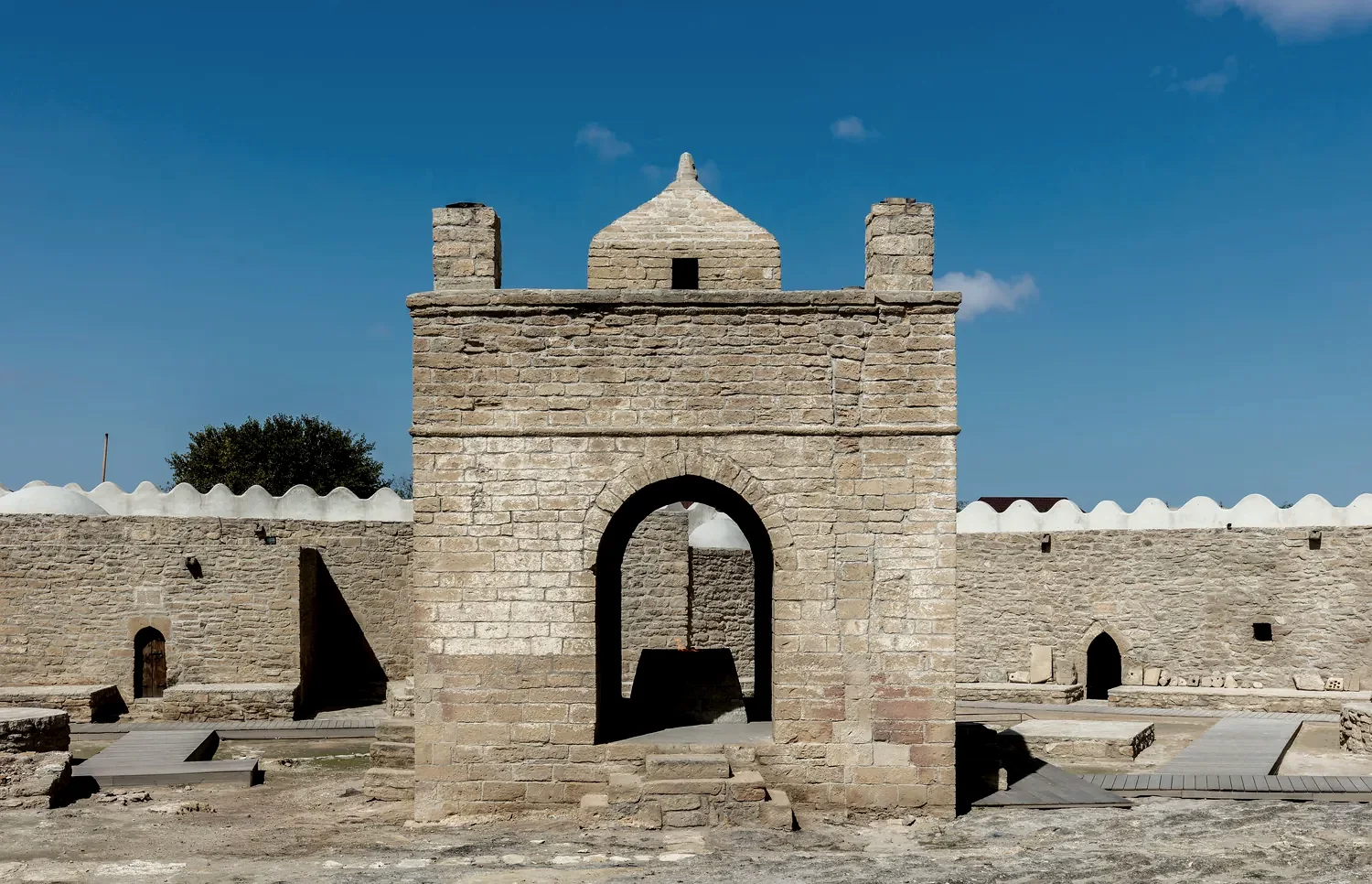
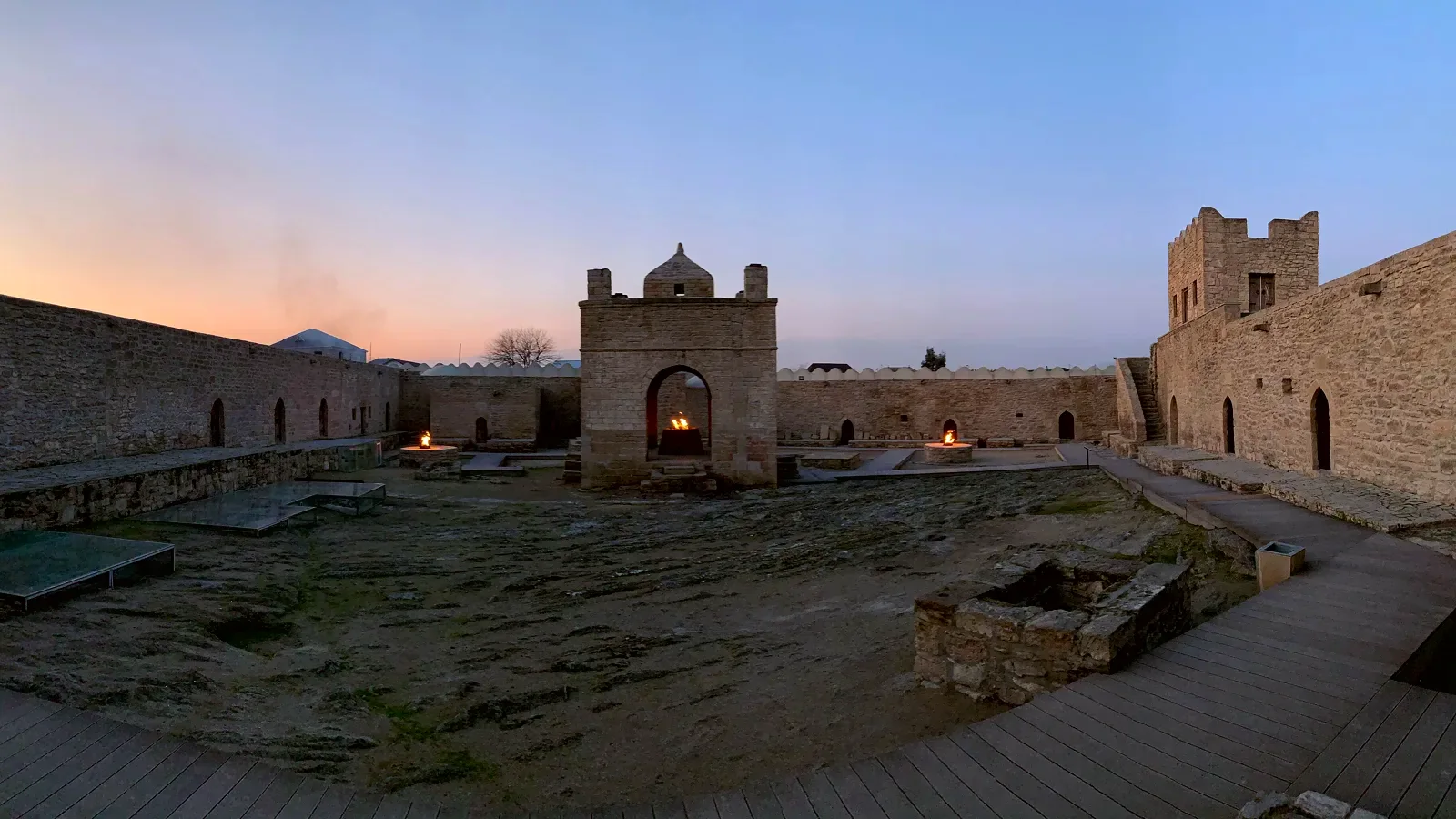
Yanardag and Ateshgah, where the ground burns on its own and people built temples around it.
Semi-desert on the Caspian, rainforest in the south, alpine snow in the north, and a hillside that has never stopped burning. You can change season by driving for three hours.
Yanardag and Ateshgah, where the ground burns on its own and people built temples around it.
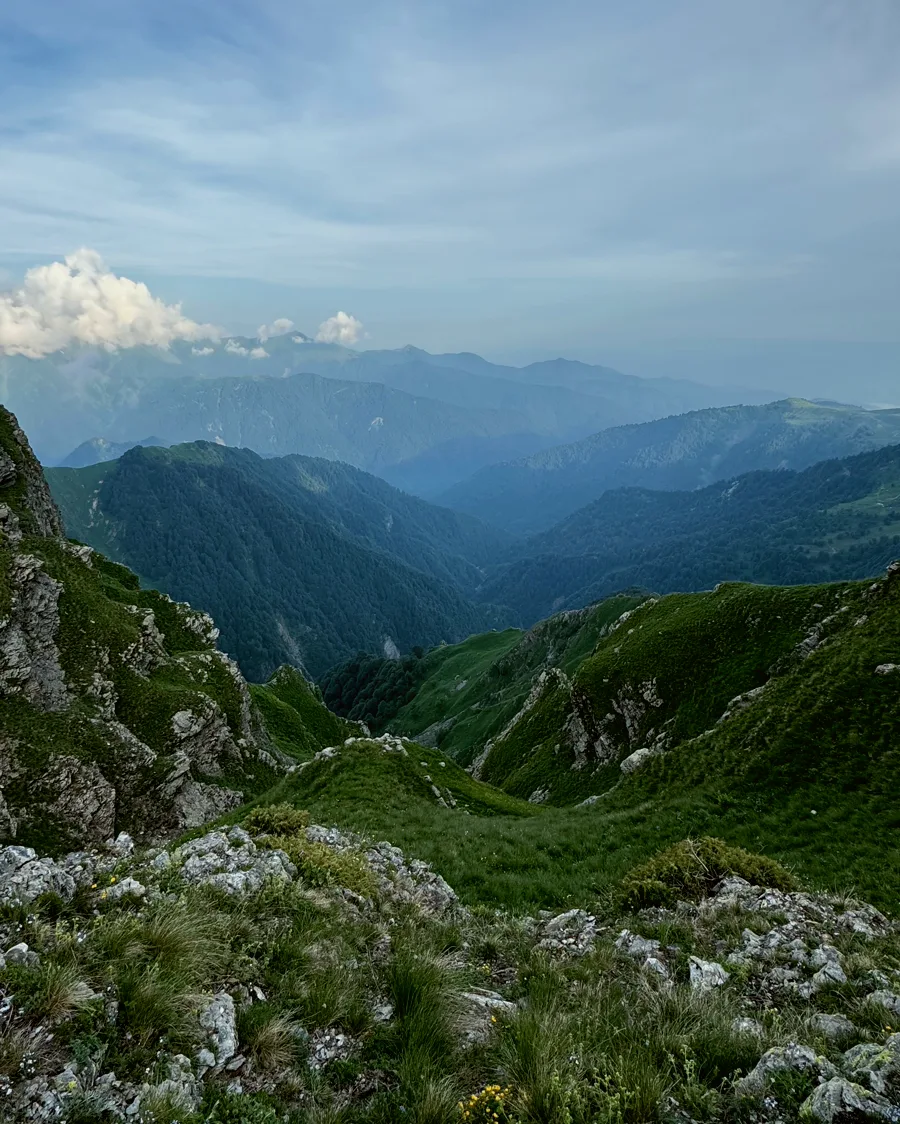
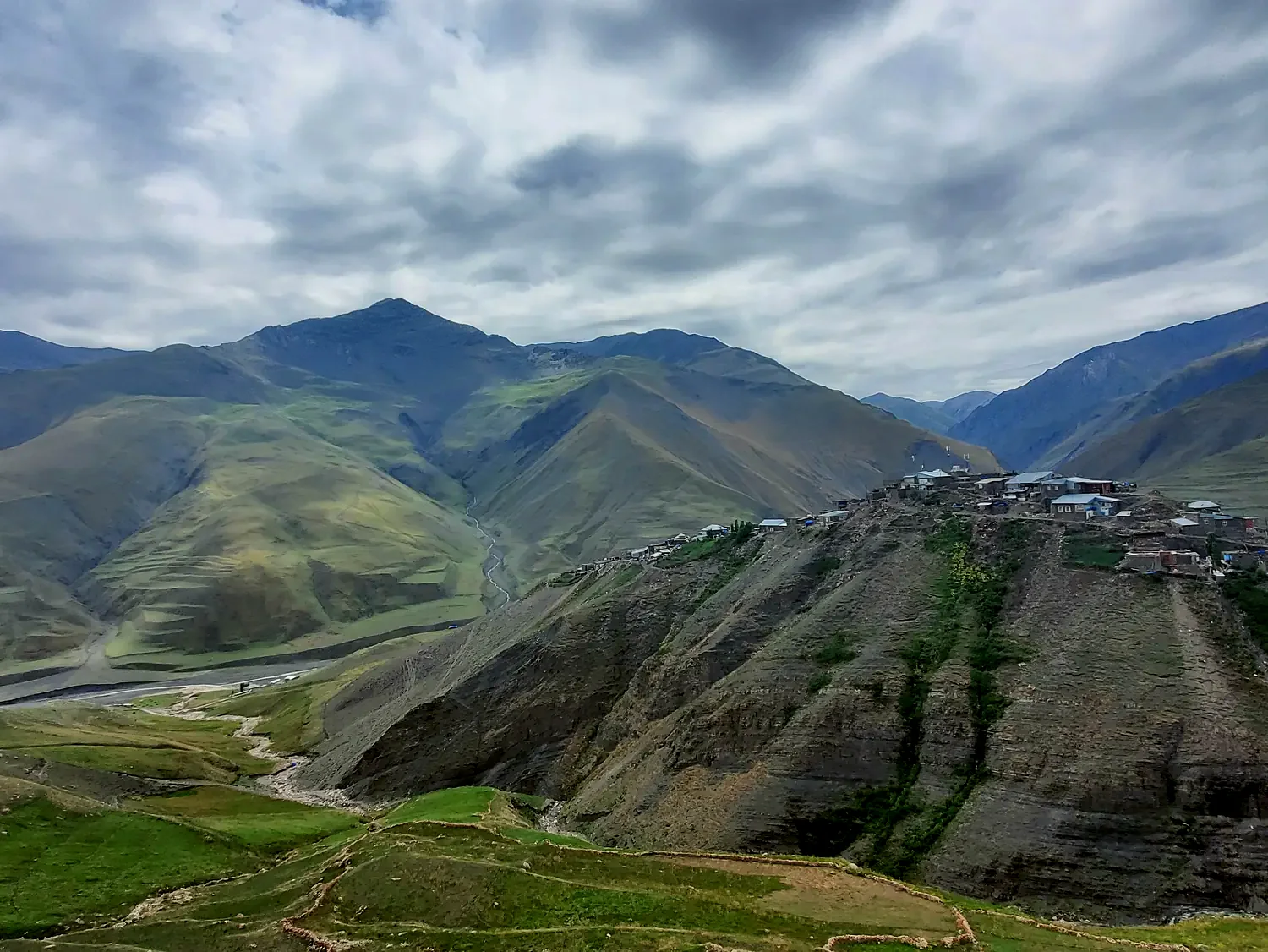
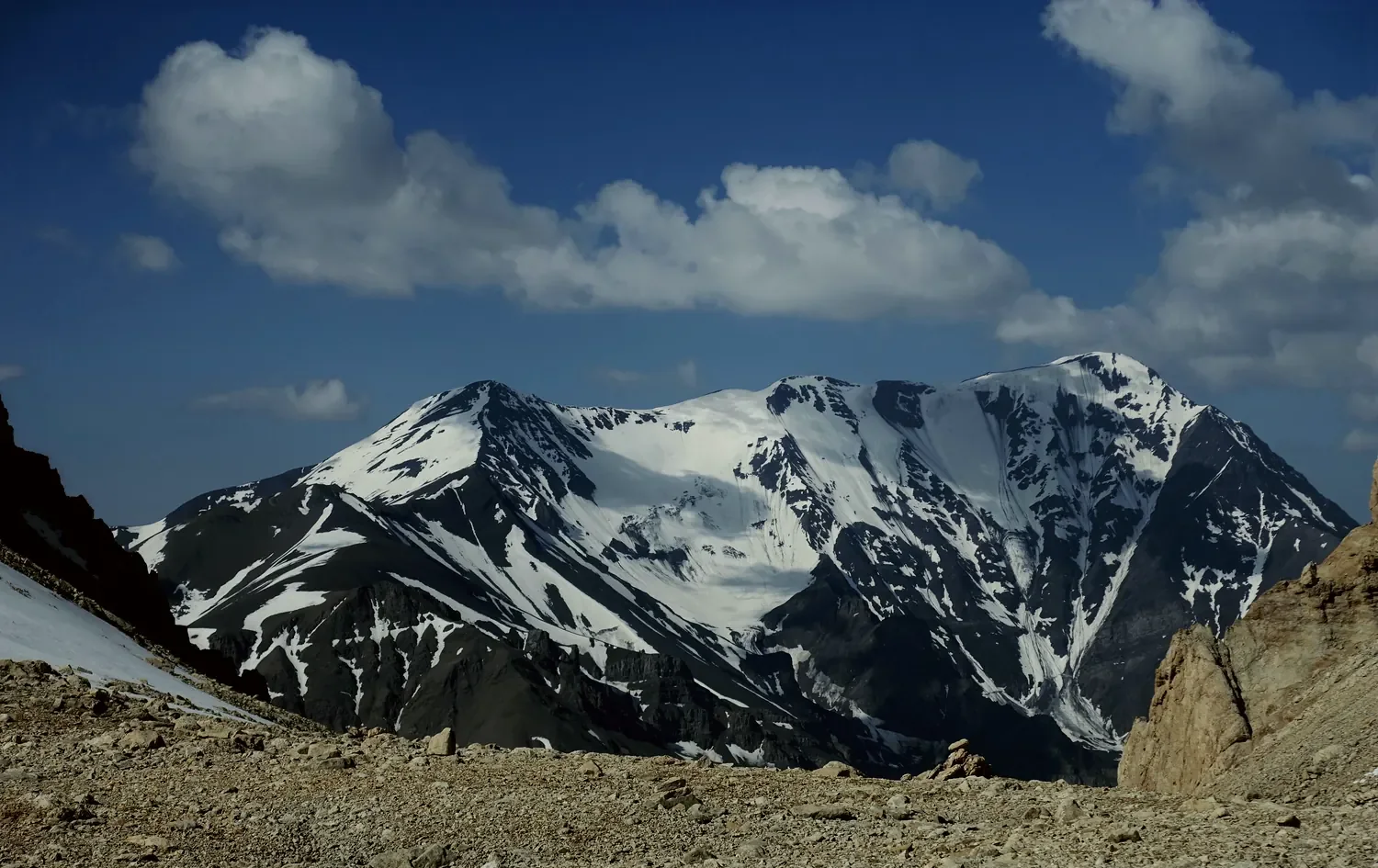
The Greater Caucasus holds snow into spring, long after the coast has forgotten winter.
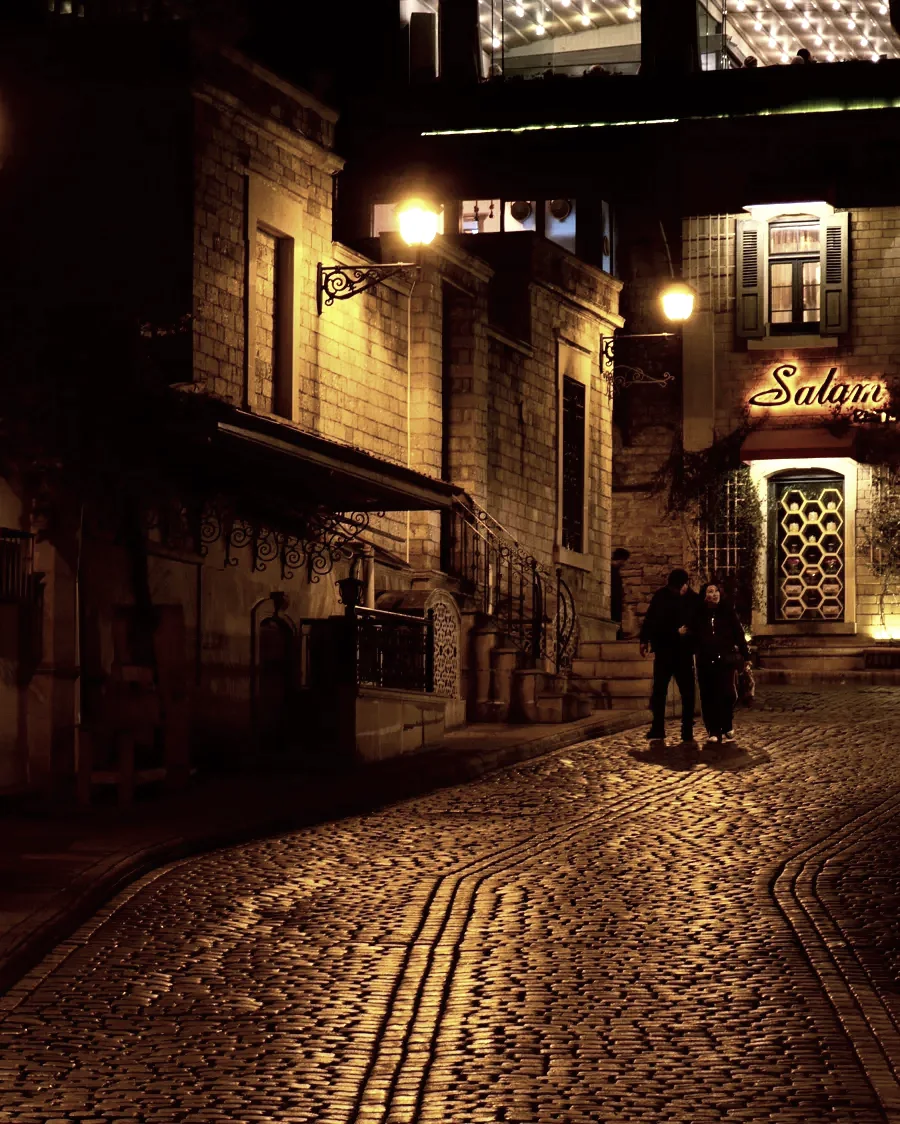
Baku pulled itself into a ring of stone above the water, and never quite left it.
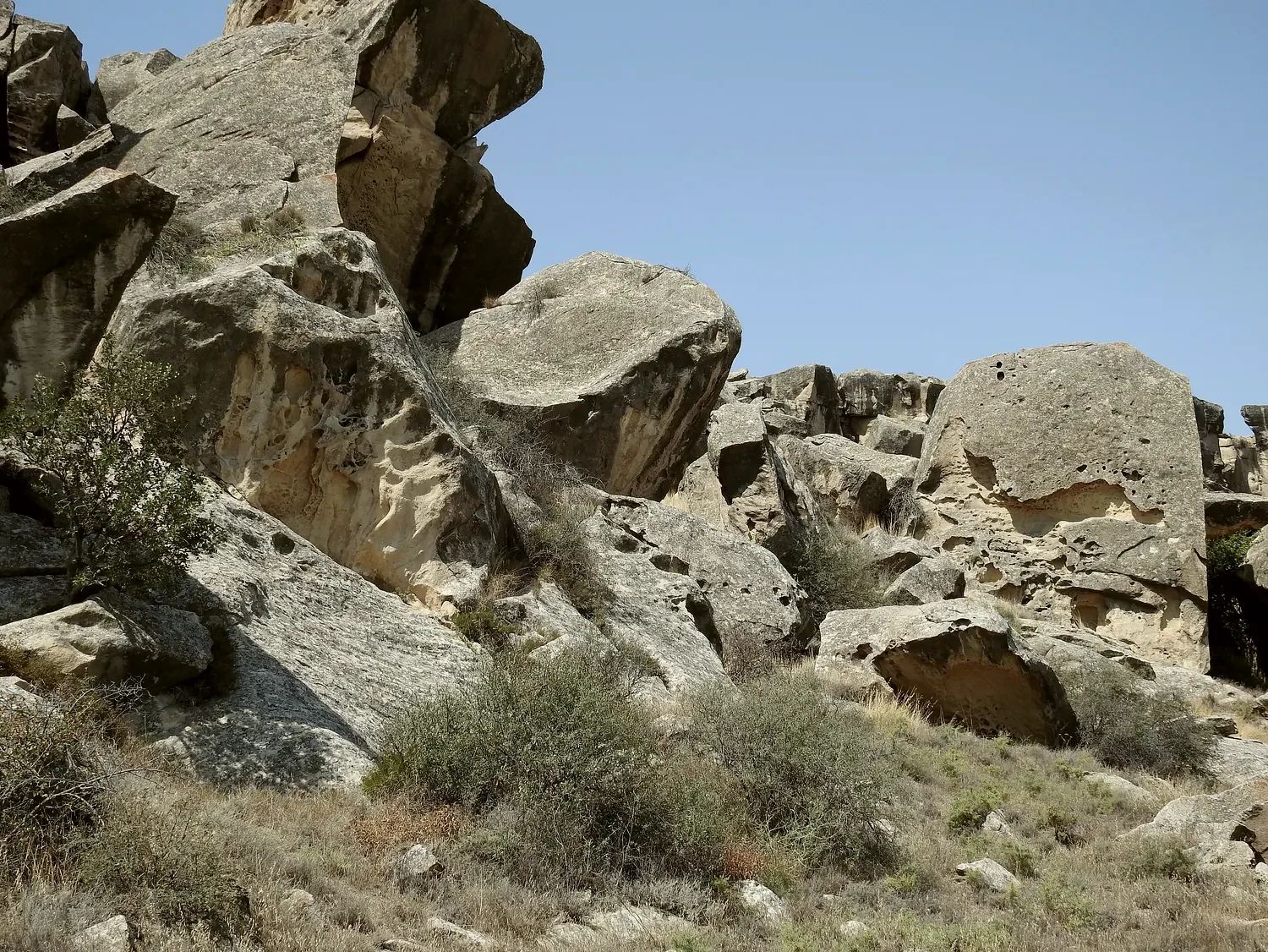
People were carving boats, cattle and dancers into the rock at Gobustan before there was an alphabet to describe them. They would have seen the same fire you can still drive to. It was old then.
What followed layered up rather than replaced: Zoroastrian fire worship, Persian and Ottoman rule, a Russian imperial oil boom that made Baku briefly one of the richest cities on earth, seventy Soviet years, and independence in 1991. The result is a country that is Turkic in language, Caucasian in geography, and entirely its own at the table.
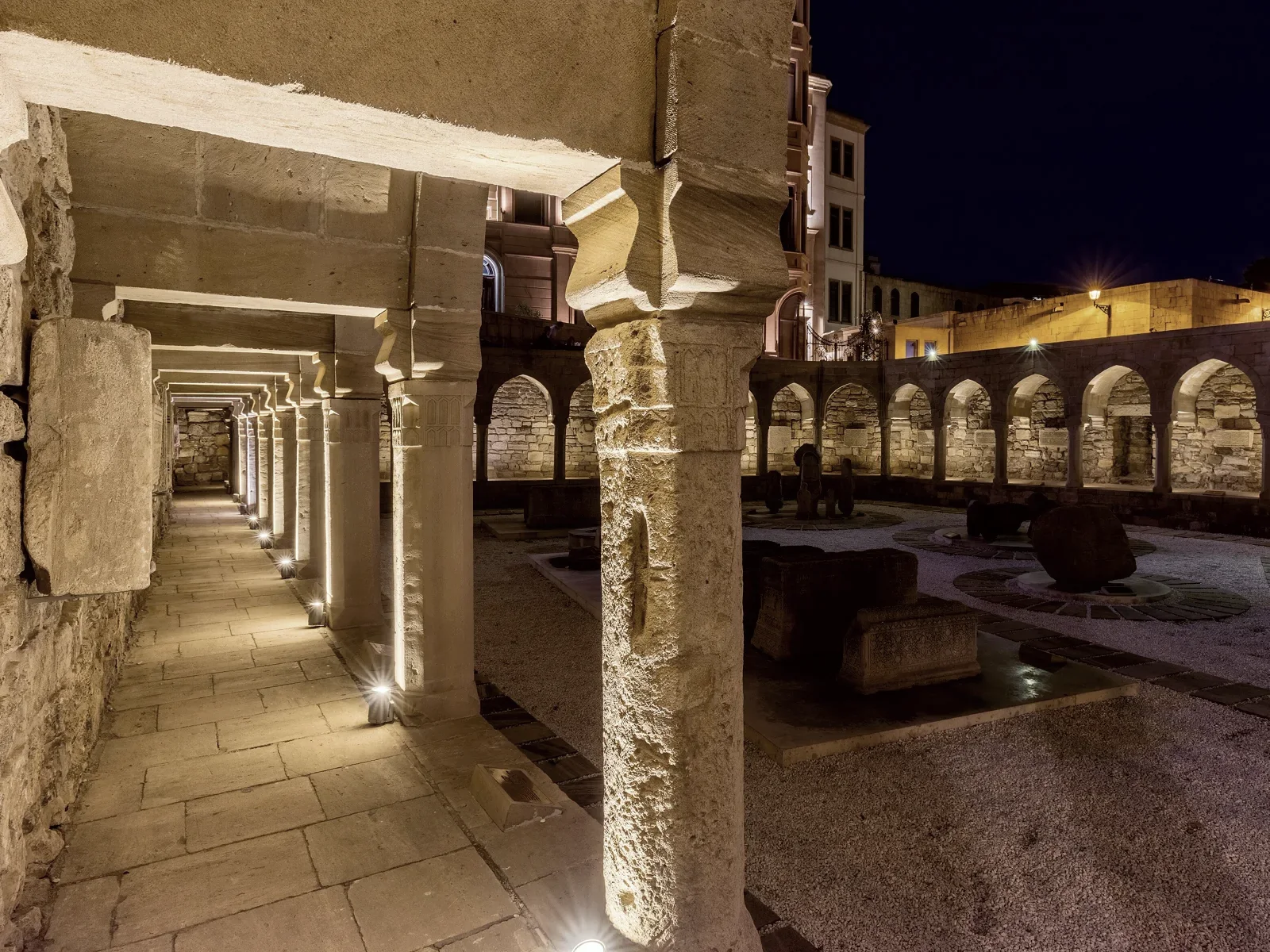
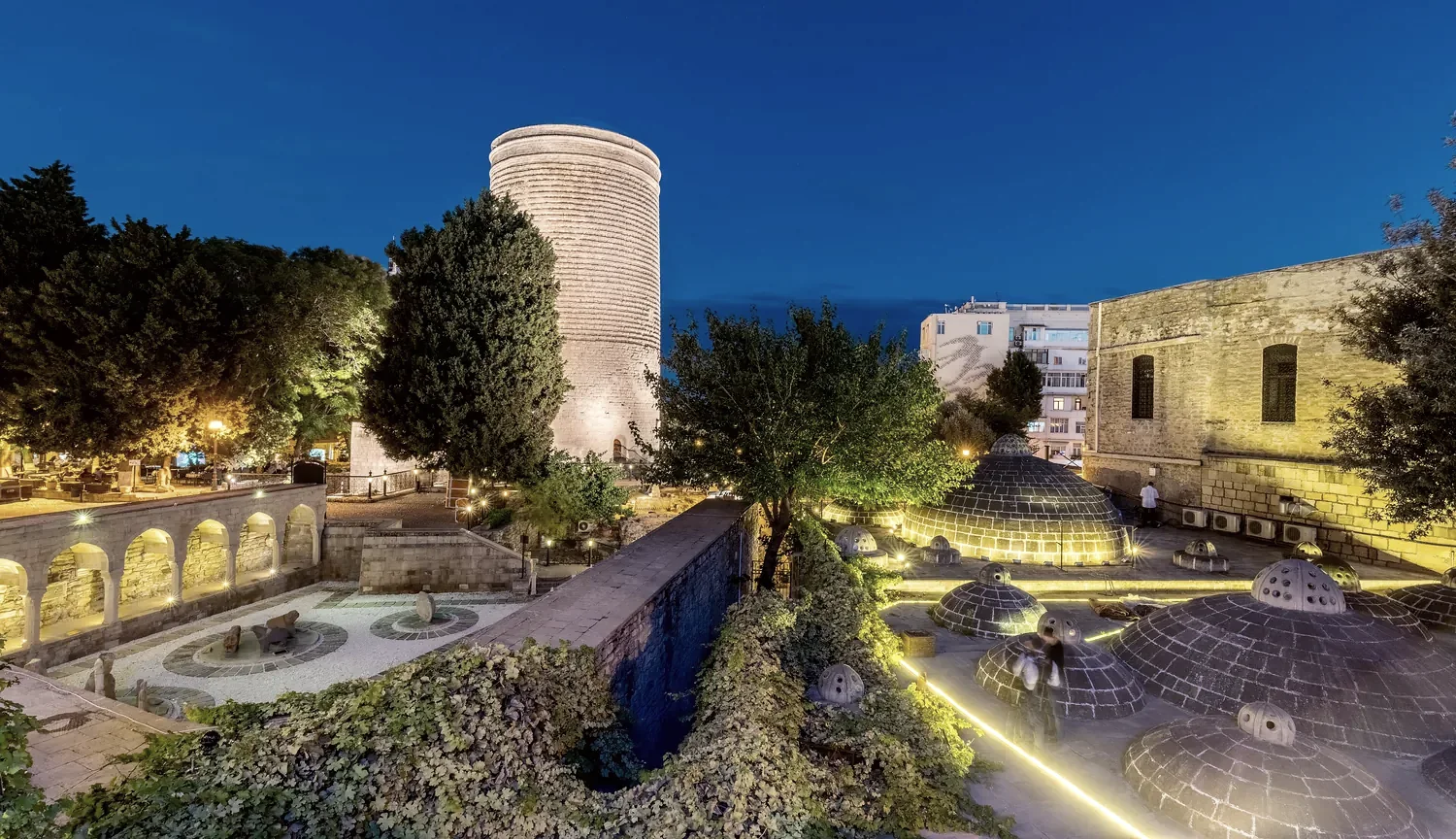
The country is the other eighty-six thousand square kilometres, and almost none of it looks like Baku.
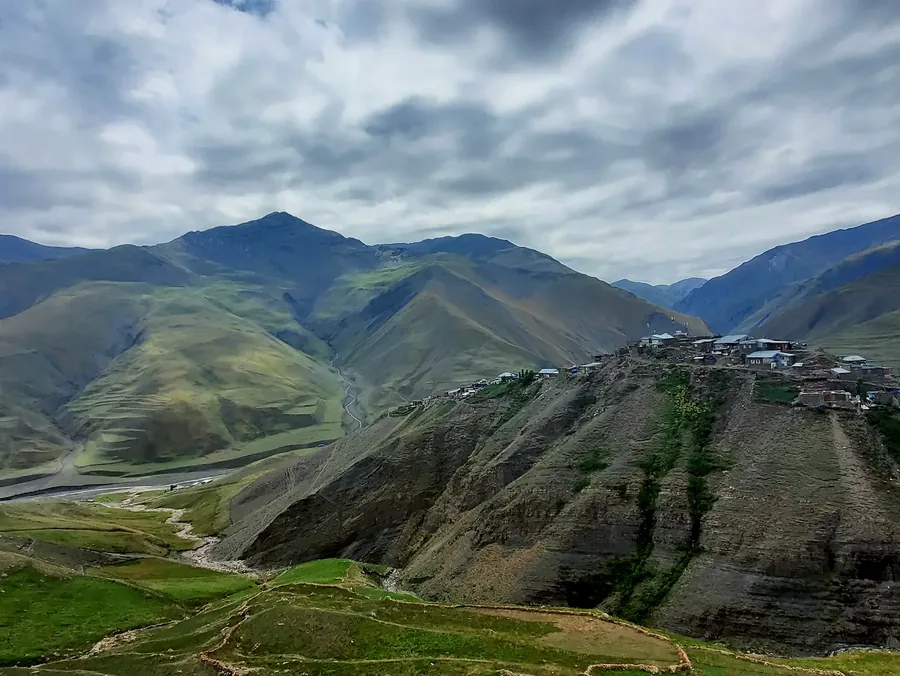
Reached by one road. Its people speak Khinalug, and nobody else does.
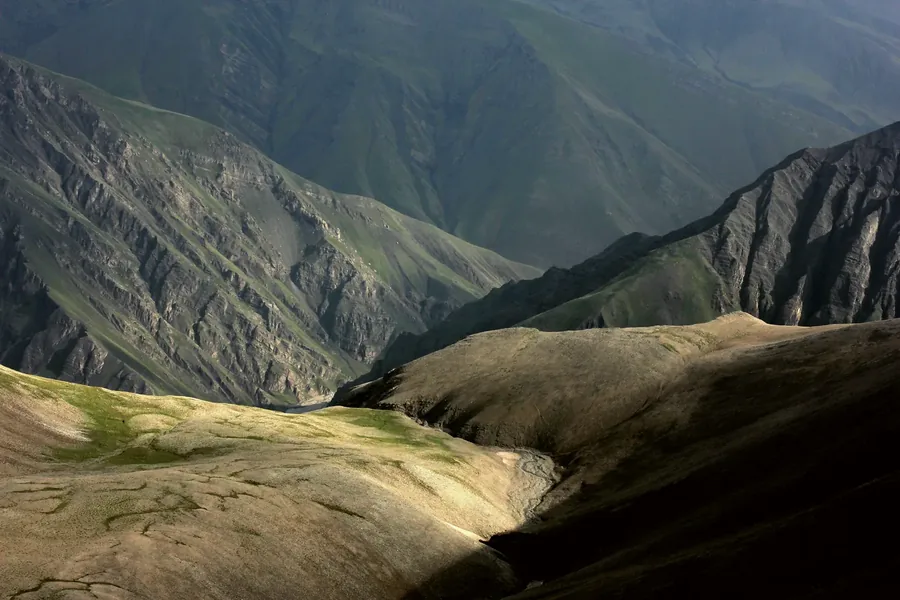
The northern range, holding snow into spring long after the coast has forgotten winter.
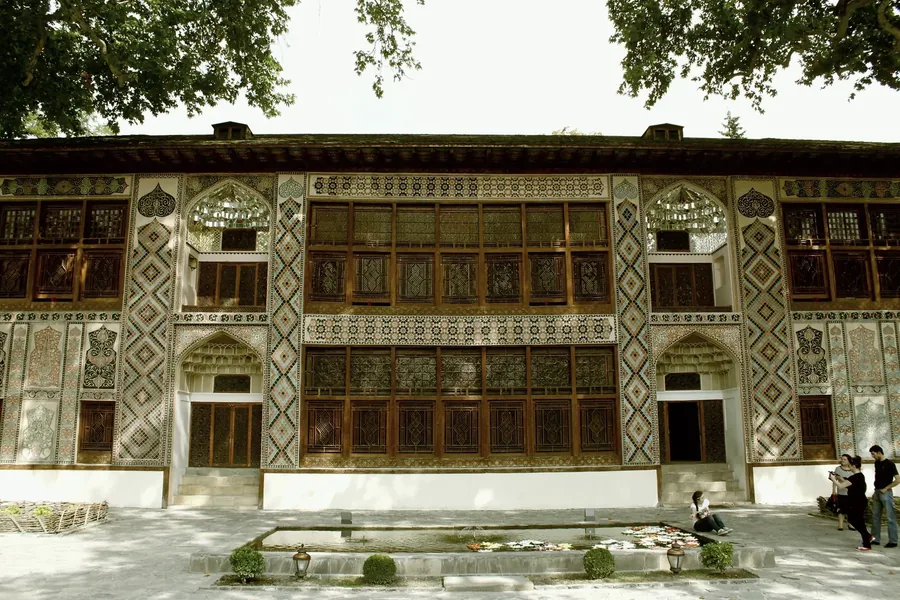
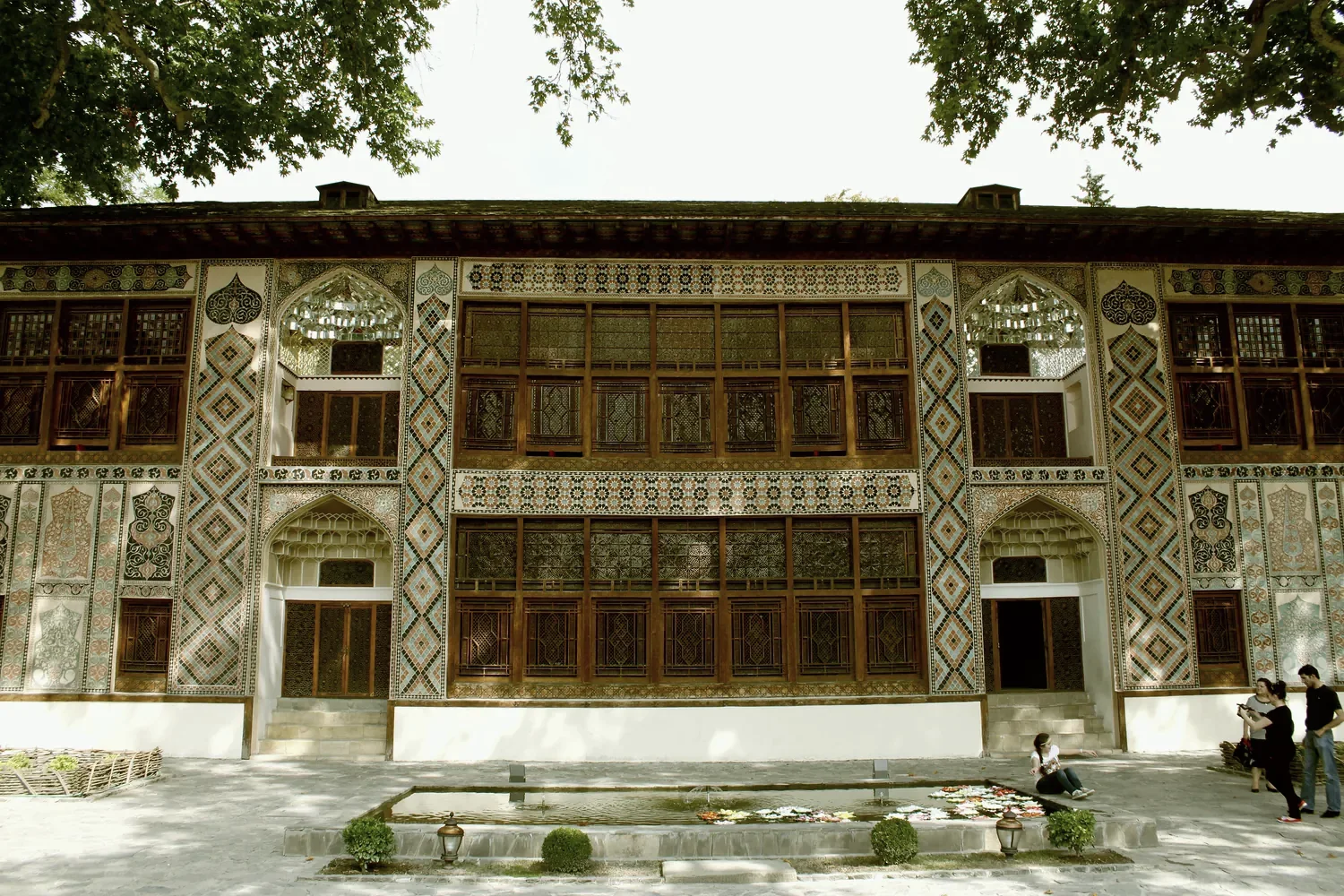
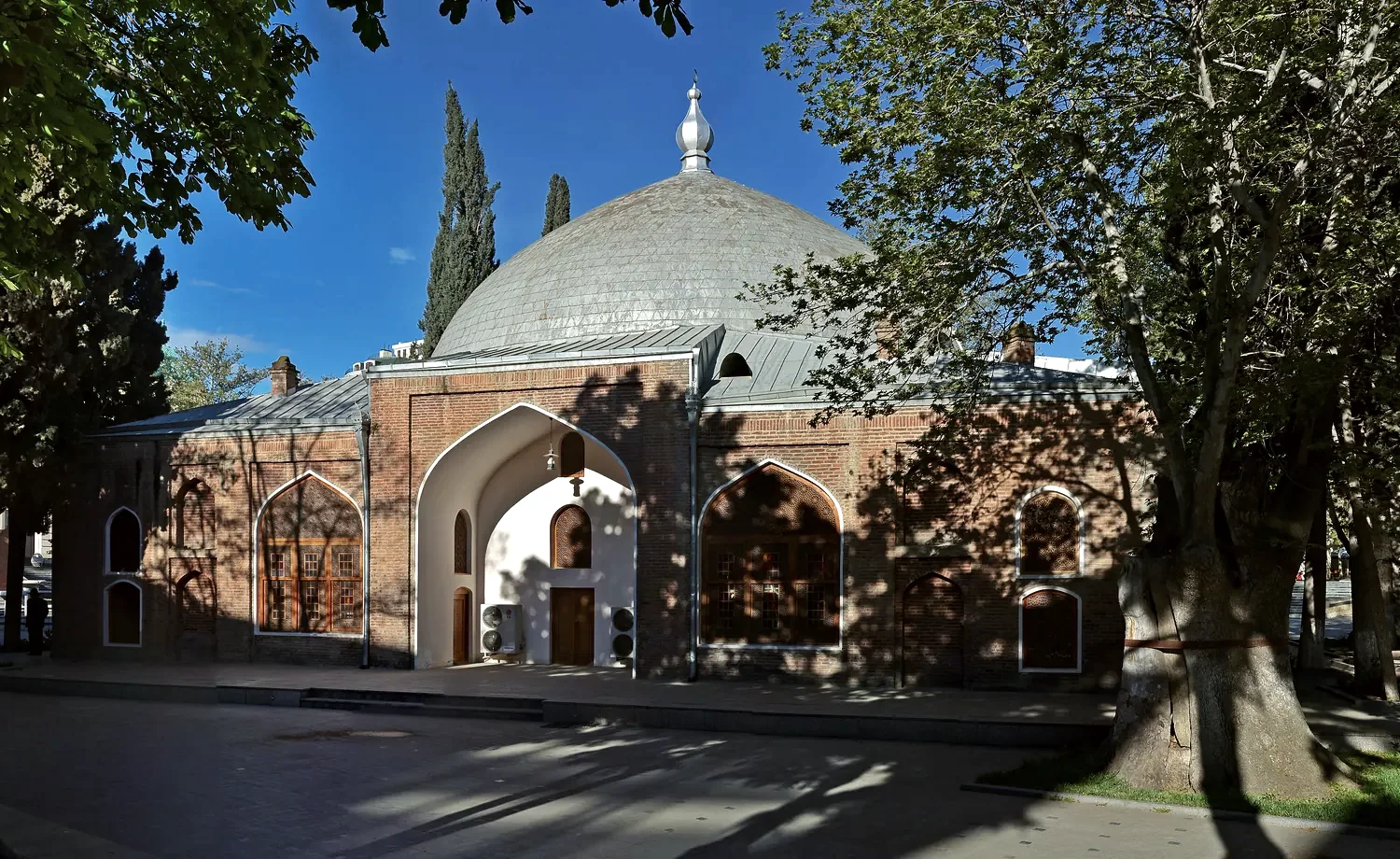
The Khan's Palace, its windows assembled from wood and coloured glass without nails or glue.
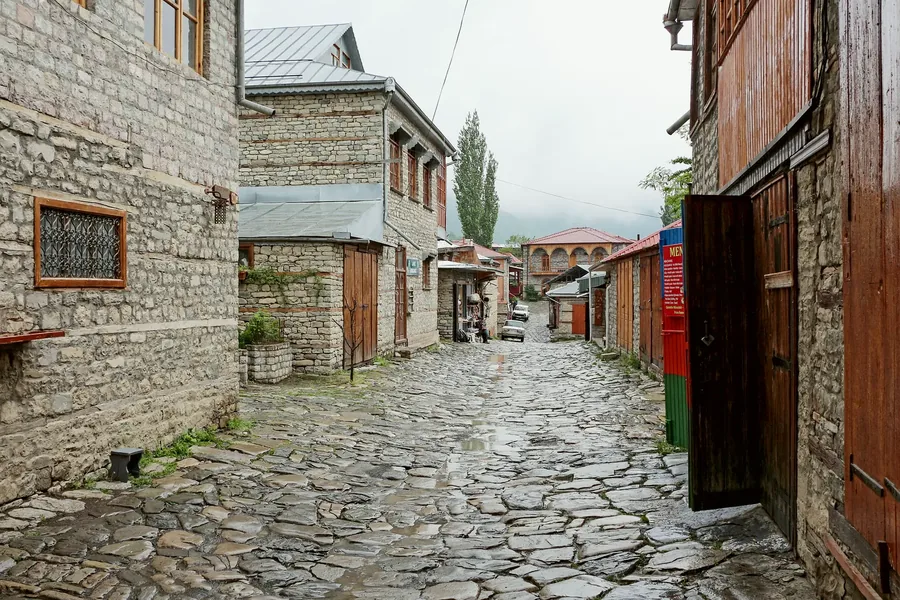
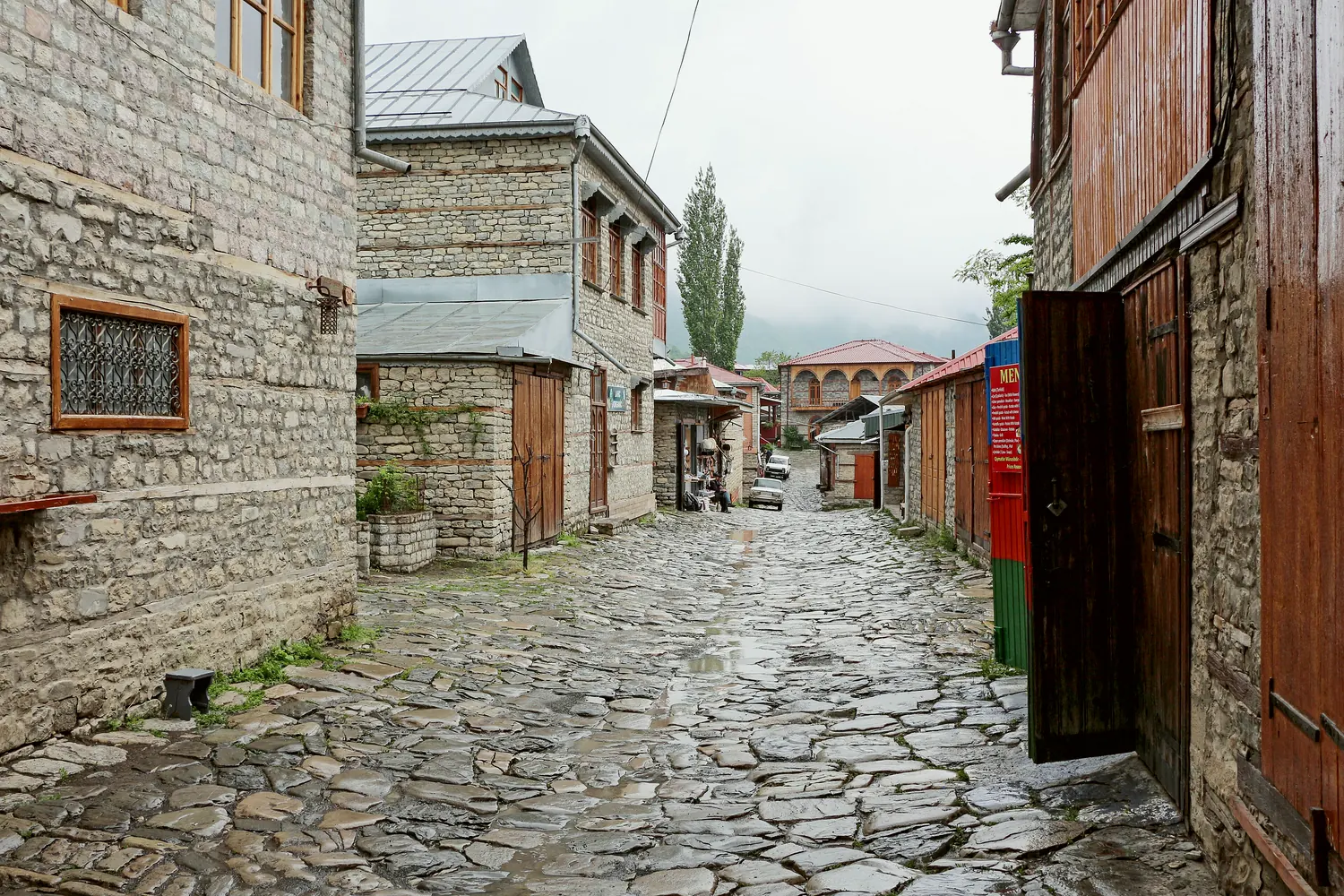
A cobbled mountain town that has beaten copper for so long the sound of it is the sound of the street.
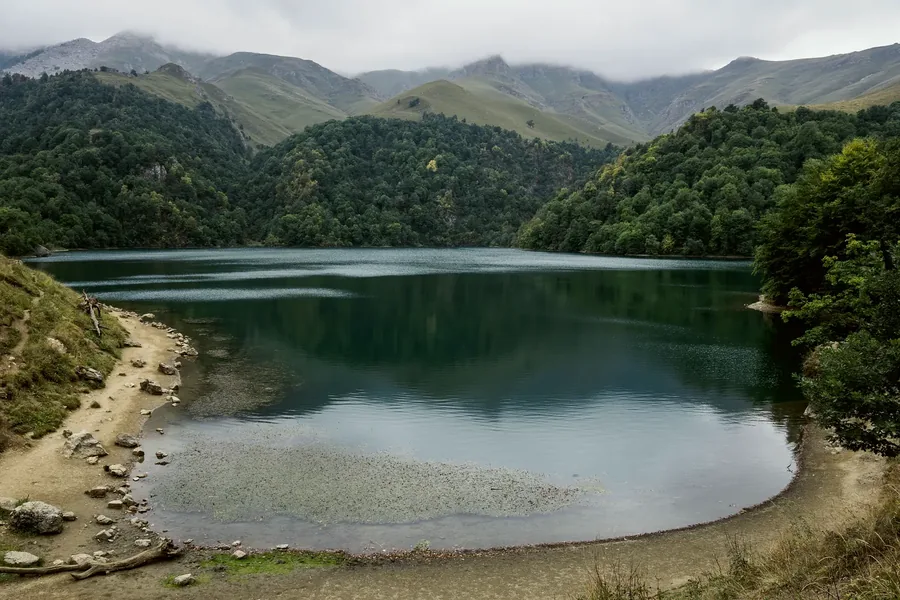
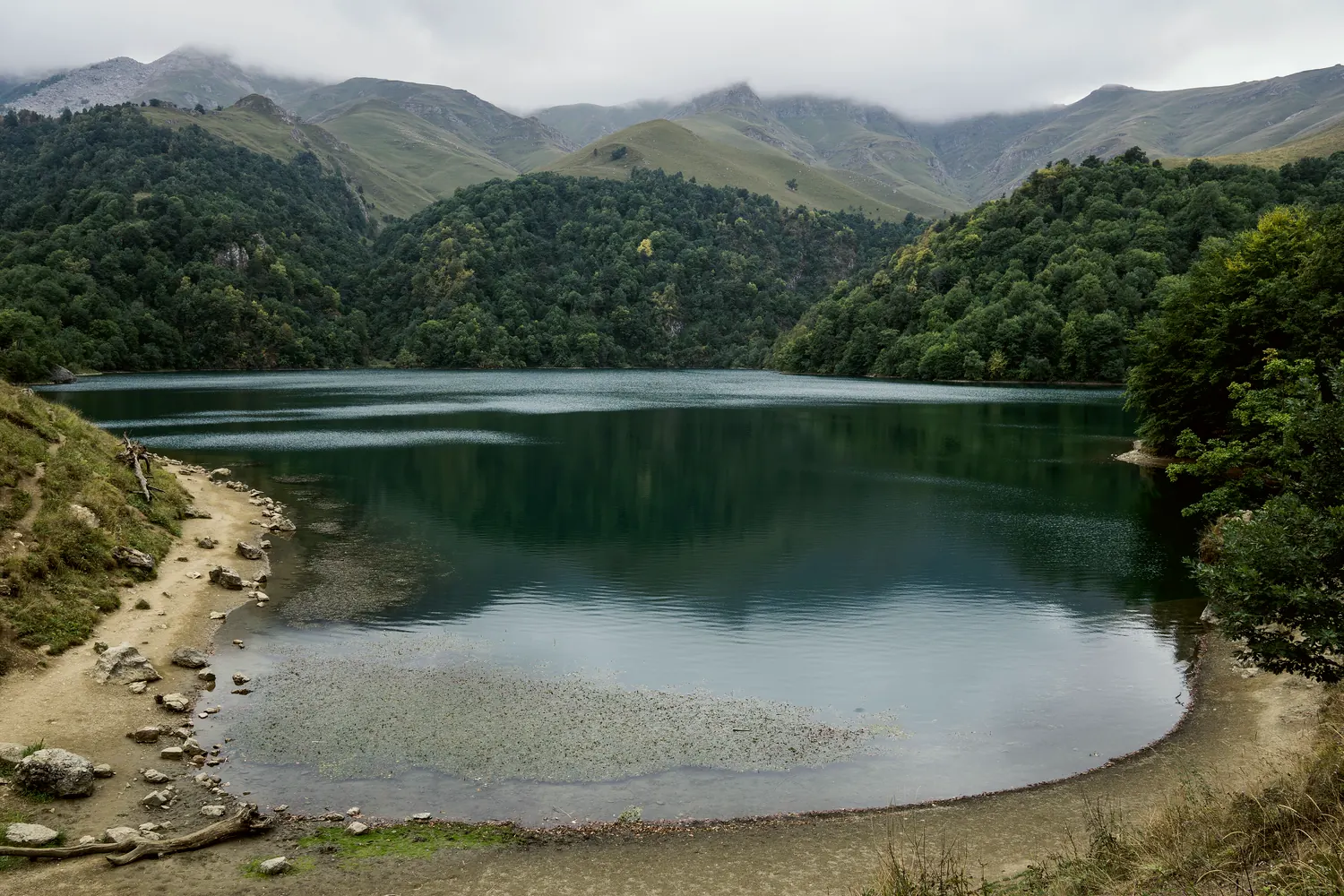
A lake made by an earthquake, when a mountainside came down and stopped a river where it stood.
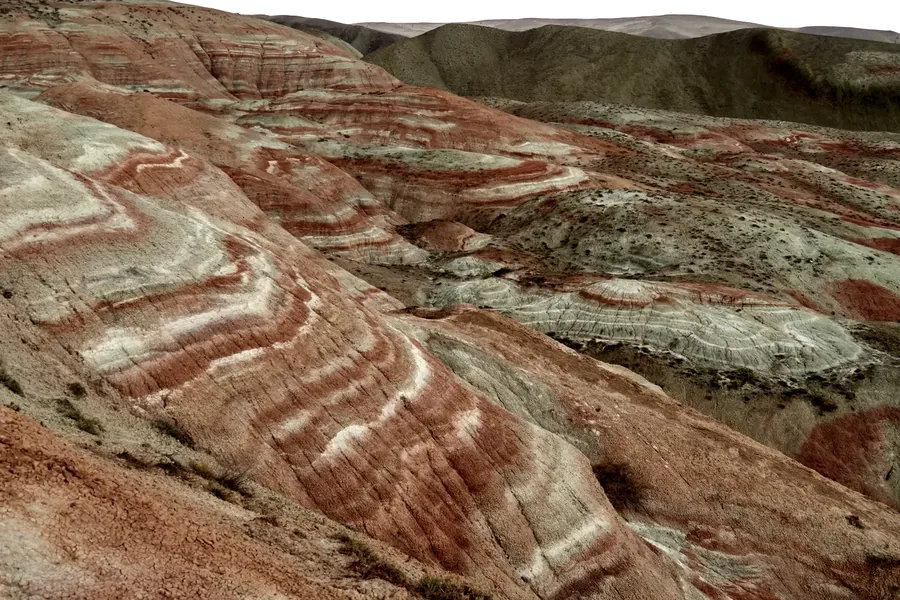
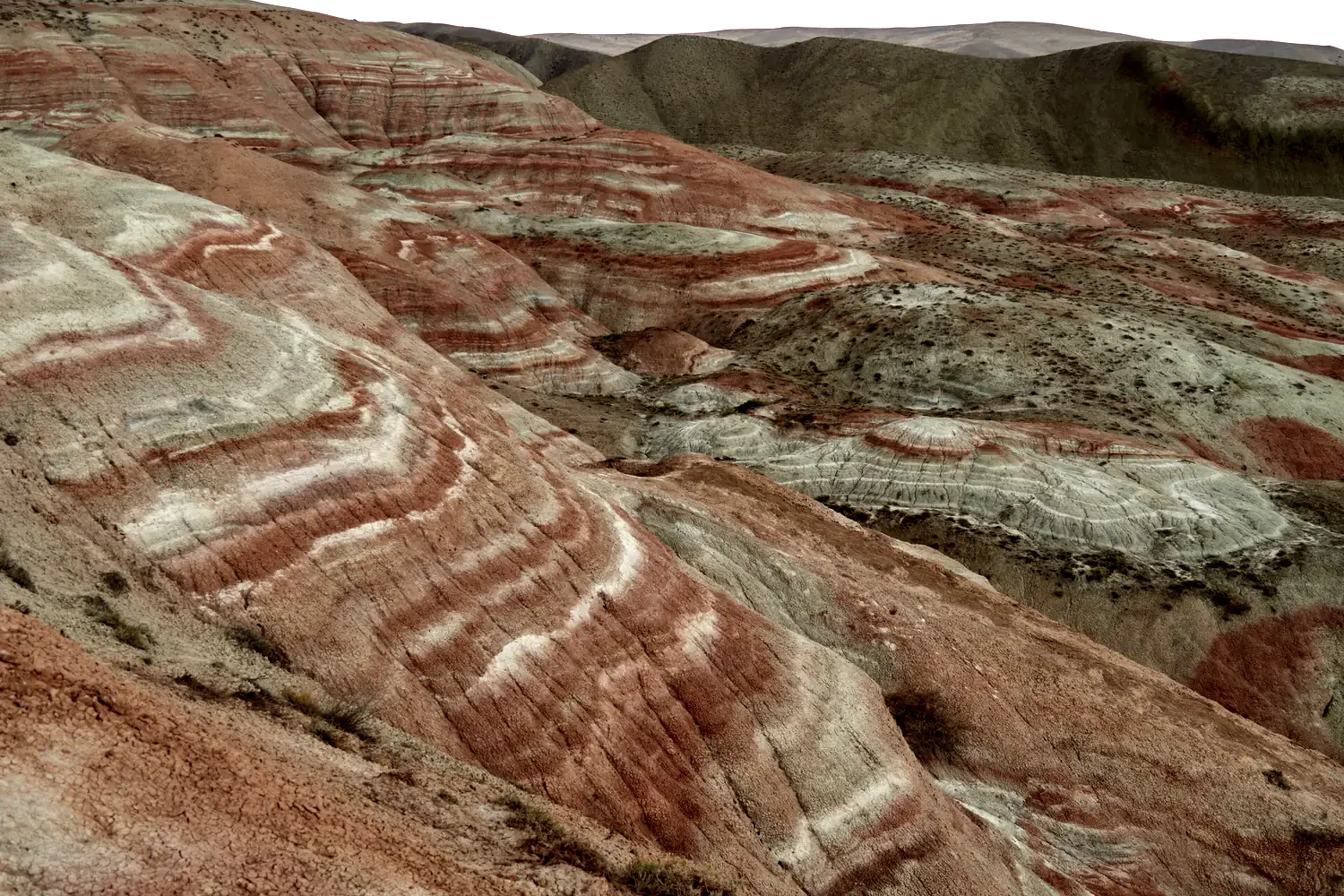
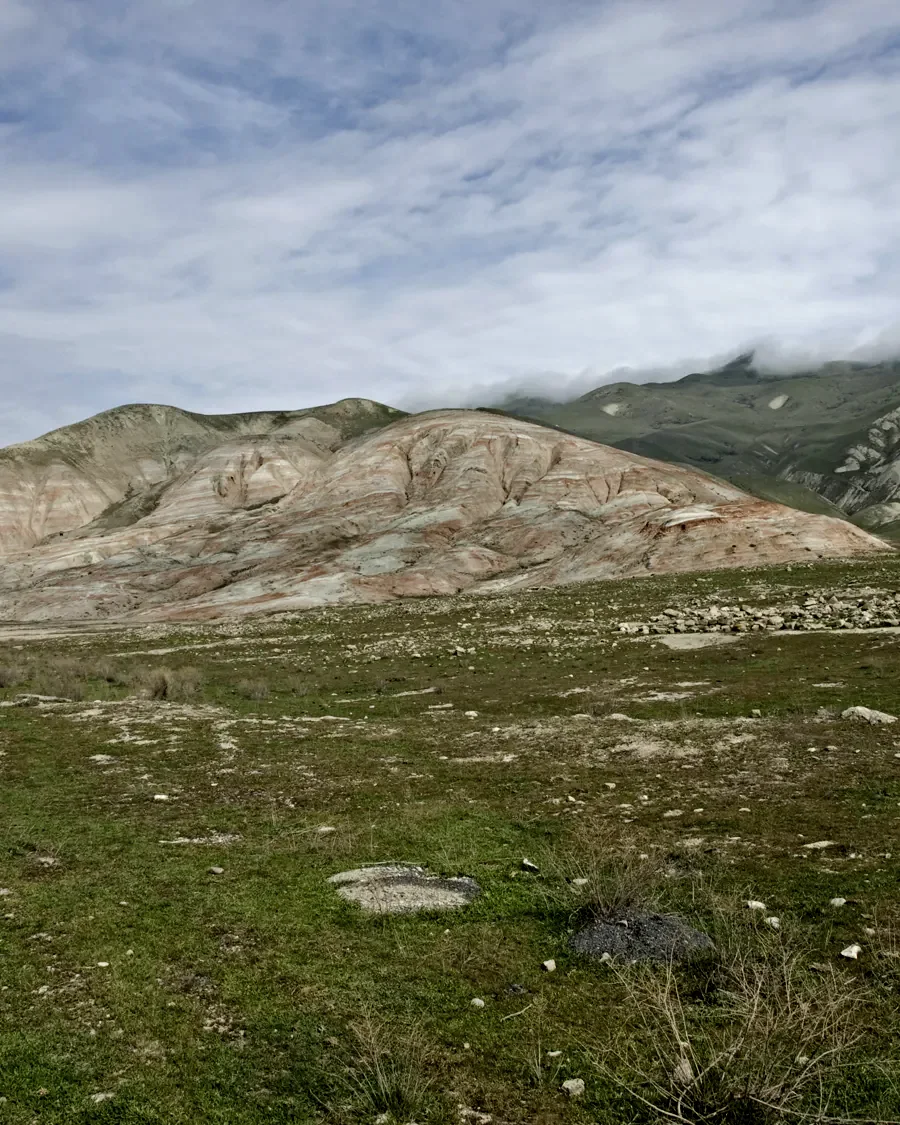
Hills banded red and white, striped by iron in the clay rather than by anything human.
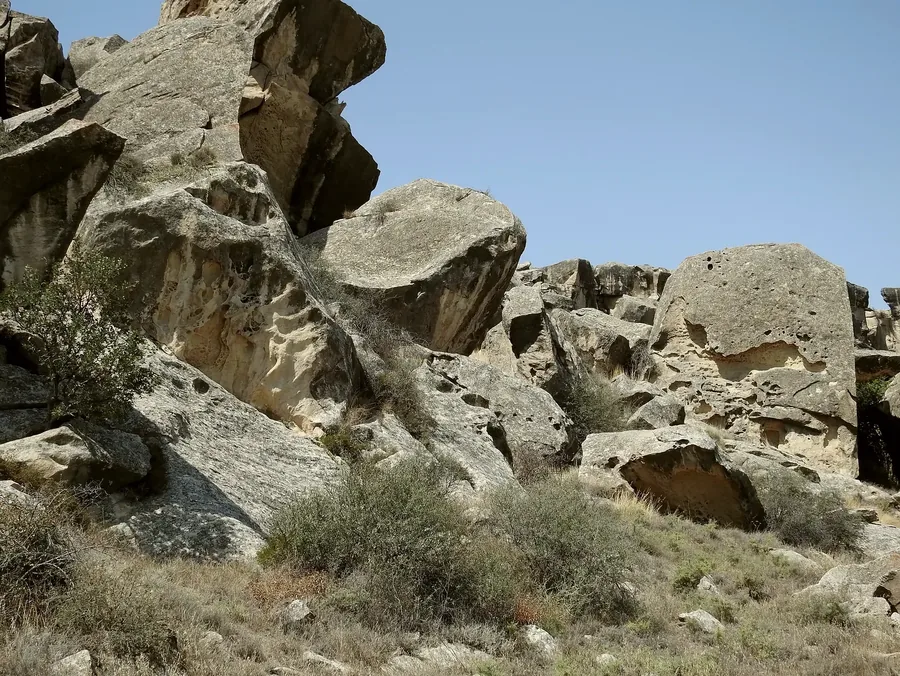
Thousands of carvings across three hills, and a field of mud volcanoes that mutter to themselves.
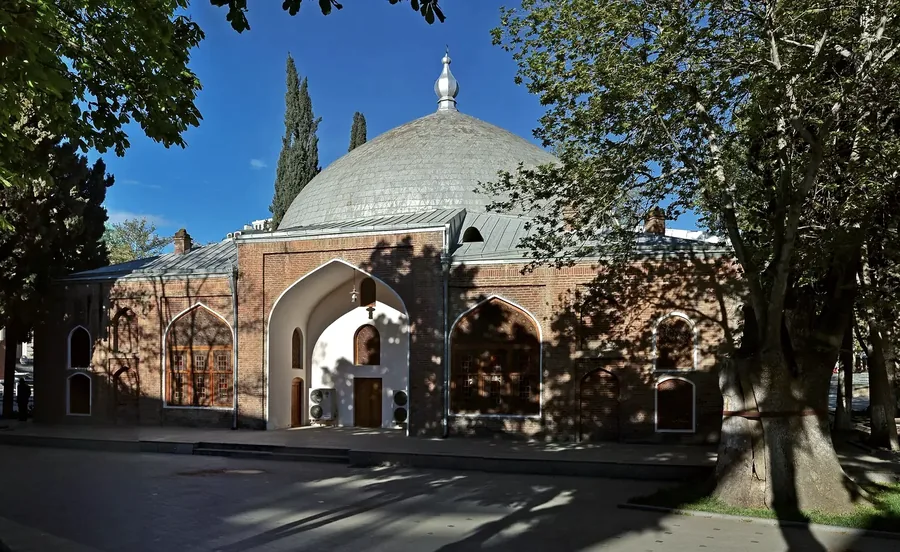
The second city, and much the older one. Nizami is buried here.
Ten places inside a country you can cross in a day. Choose one.
Show me what pulls you over how long.
Answer both and the route draws itself.
Four thousand years of people arriving, building something next to it, and leaving. The fire is still going.